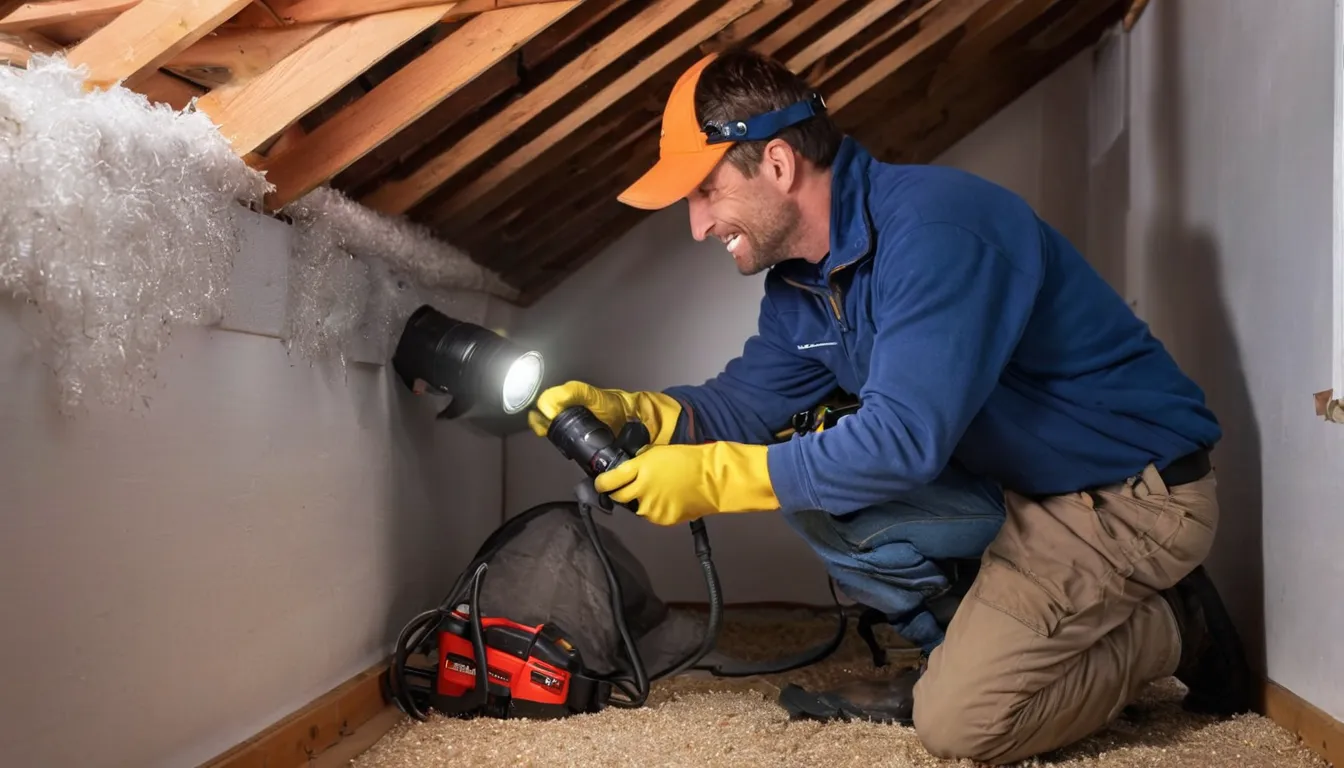
Scratching in the walls is a clear sign. Something has moved in. It may be mice, rats, squirrels, raccoons or bats. Each animal needs a different plan. Laughedif Pest Control is a referral service. We do not do the work. We help you reach independent providers in our network who do.
This page explains the steps in plain words. You will see the signs to look for, what a visit includes, and what it may cost. Knowing the plan first helps you ask better questions. It also helps you protect the home. Older homes in the Sayreville area often have gaps that let animals in, so fixing the entry point matters as much as removing the animal.
Noises in the Attic or Walls? Start Here
You hear thumping at night. Or scratching above the ceiling. Something is living in your home, and it is not going to leave on its own.
The good news is simple. Providers in our network deal with this often. You can learn the steps below before anyone shows up.
Why Waiting Makes It Worse
Mice and rats breed fast. A small group can turn into a large one in a few months. Wildlife like squirrels and raccoons can tear insulation and chew wires.
Spring adds one more risk. Many animals nest then. If a mother is trapped outside, her babies may be stuck inside. A good provider plans for that.
Signs You Have a Rodent or Wildlife Problem
Sounds
Listen for scratching, thumping, or squeaks. Rodents are most active at night. Squirrels are loud in the morning and late afternoon.
Droppings and Smells
Mouse droppings look like dark grains of rice. Rat droppings are larger. A musty or sharp smell near walls or vents is another clue.
Damage You Can See
Look for chewed wires, torn insulation, and gnawed boxes. Check for greasy rub marks along baseboards. Outside, look for holes near the roofline, vents, and foundation.
Animals Providers Commonly Handle
- Mice and rats: They squeeze through very small gaps and chew almost anything.
- Squirrels: They nest in attics and gnaw on wood and wires.
- Raccoons: They are strong. They can lift loose vents and tear up soffits (the underside of the roof edge).
- Bats: They roost in attics and walls. Special rules often protect them.
- Skunks and opossums: They den under porches, decks, and sheds.
Not sure what you have? A provider can often tell from the signs and the entry hole.
What to Do Right Now
Keep pets and kids away from the area. Do not seal holes yourself yet. You might trap an animal inside. Wear gloves if you must touch droppings, and never sweep them dry, since dust can carry germs.
Then reach out for help.
How Removal Works, Step by Step
1. Inspection
The provider checks the attic, crawl space, basement, and roofline. The goal is to find the animal, its path, and every entry point.
2. Removal
The plan depends on the animal. It may use traps, one-way doors that let animals out but not back in, or live capture and release where rules allow.
3. Sealing the Entry Points
This is the key step. Fix the entry point or the animals return. Providers use steel mesh, flashing, and sturdy caps, not foam alone.
4. Cleanup
Droppings and soiled insulation may need to be removed. Some providers offer cleaning and sanitizing. Others can point you to a specialist.
Humane Handling and Local Rules
Many animals have legal protection. Bats, nesting birds, and some others may have set seasons when removal is limited. Rules differ by state and town.
A reputable provider knows the local rules. Ask how they handle babies and what happens to the animal after capture.
Why Cold Weather Sends Animals Indoors
Cold, snowy winters push mice, rats, and squirrels toward warm spaces. Freeze-thaw cycles open new cracks in stone and block foundations. Snowmelt and coastal storms can loosen vents and roof edges.
Older homes, full basements, and Cape Cod style attics often have many small gaps. A fall check can save trouble later.
How to Choose a Provider
Ask a few plain questions before you agree to anything:
- Is the provider licensed and insured where your state requires it?
- Will you get a written quote with the scope of work?
- Does the plan include sealing entry points, not just trapping?
- How are babies and protected animals handled?
- Is there a warranty on the repair work, and what does it cover?
Compare more than one quote when you can. Cheap work that skips sealing often costs more later.
Keeping Animals Out for Good
Trim branches that touch the roof. Store firewood away from walls. Keep trash lids tight and pet food indoors. Check vents, door sweeps, and gaps around pipes every season.
Small habits help. They also keep the home tight and dry.
Protect the Home and Its Resale Value
Animal damage can hide inside walls. Wet insulation, chewed wires, and stains can show up in a buyer's inspection. Proper removal, sealing, and repair help protect the home.
Keep your paperwork. A written record of the work can help when you sell.
Ready to Take the Next Step?
Request a callback to check provider availability in your area. Or send a request and describe what you see and hear. You will not be pushed into a choice.
What's Included
Home Inspection
A provider checks the attic, walls, basement, and roofline to find the animal and every way it gets in.
Animal Removal
Traps, one-way doors, or live capture, chosen to fit the animal and local rules.
Entry Point Sealing
Gaps and holes are closed with sturdy materials so animals cannot simply return later.
Cleanup and Repair
Droppings and soiled insulation may be removed, and chewed areas can be repaired or replaced.
Typical Rodent and Wildlife Removal Costs
Prices vary by animal, home size, and how much damage there is. These are typical U.S. ranges only. Always ask for a written quote that lists exactly what the work includes.
| Item | Typical range | Notes |
|---|---|---|
| Inspection | $100 – $300 | Some providers apply it to the job cost |
| Mouse trapping | $200 – $600 | Often includes a few follow-up visits |
| Rat removal | $300 – $800 | Larger homes or heavy activity cost more |
| Squirrel or raccoon removal | $300 – $1,000 | Depends on nests, babies, and access |
| Entry point sealing | $300 – $1,500 | Roofline work can raise the price |
| Attic cleanup and insulation | $1,000 – $5,000 | Depends on the size and the damage |
How It Works
Describe the Problem
Tell us what you hear, see, and smell, and where in the home it happens.
Reach a Local Provider
Request a callback to check provider availability, or send a request through the form.
Review the Written Quote
Compare the scope, the sealing plan, and the price before you agree to anything.
Removal, Sealing, and Repair
The provider removes the animal, closes the entry points, and handles cleanup as agreed.
Why Call Laughedif Pest Control
Know Your Options First
Learn the steps and choices in plain words before any provider starts work.
Independent Local Providers
Providers in our network are separate businesses that work in your area and do the hands-on work.
Fix the Source
Good work seals the entry point, which helps stop the same problem from returning.
Protect the Home
Proper removal and repair help protect the structure and its value when you sell.
Other Services
Need rodent & wildlife removal services in Sayreville?
Tell us what you found and where. Request a callback to check provider availability, or send a short request and ask for an estimate.
No obligationRodent & Wildlife Removal Services FAQ
How do I know if I have mice, rats, or squirrels in my attic?
Sounds and droppings give clues. Squirrels are noisy by day. Mice and rats are louder at night. Droppings, chew marks, and entry holes help a provider tell which animal is there.
Can I just seal the hole myself?
It is risky. You could trap the animal inside, or leave babies behind. They may die in the walls or chew a new way out. A provider can remove the animal first, then seal the entry point properly.
Does homeowners insurance cover animal damage?
It depends on your policy. Some policies may cover sudden damage, but many exclude damage from animals living in the home over time. Check your policy. Providers can often help document damage for a claim.
Request a callback
Tell us what you found and where. Request a callback to check provider availability, or send a short request and ask for an estimate.
No obligation