Termites feed on the wood that holds your home up. They work out of sight, often for months. By the time you see damage, the colony may be large. That is why a quick check matters.
Laughedif Pest Control is a referral service. We do not treat homes. We help you reach independent local providers in our network and explain your choices in plain words. You learn what a treatment involves, what it may cost, and what comes next. Then you pick a provider with a clear head. Careful work now protects the home and its resale value later.
Think You Have Termites? Start Here
You saw wings on a windowsill. Or a strange tube on the basement wall. Or wood that sounds hollow. Take it seriously. A termite is a small insect that eats wood. A local provider can inspect your home and tell you what is going on.
Why Waiting Costs You
Termites never take a day off. They chew through wood, one tiny bite at a time. A small problem can grow into a big repair. Beams, floor joists and wall studs can all weaken.
An early inspection is often the cheaper path. It also keeps your options open.
Signs You Can See
Look around the foundation, the basement and the garage. Here is what to watch for.
Mud Tubes
These are thin, pencil-sized tunnels of dirt. Termites build them to travel safely. You often find them on stone, block or concrete walls.
Swarmers and Wings
Swarmers are winged termites that leave the nest to start new colonies. Piles of small, clear wings near a window or door are a warning sign.
Hollow or Soft Wood
Tap a baseboard or beam with a screwdriver handle. A dull, papery sound can mean termites have eaten the inside.
Signs Homeowners Often Miss
Some clues are small. Paint may bubble or sag. Doors and windows may stick. Tiny pellets that look like sawdust may sit under a wall. None of these prove termites. All are good reasons to ask for an inspection.
Three Common Termite Types
The type matters. It shapes the treatment.
Subterranean
These live in soil and reach your home through the ground. They are the most common type in cold-winter regions.
Drywood
These live inside the wood itself. They need no soil contact. They are more common in warm climates.
Dampwood
These prefer wet, rotting wood. Leaks and poor drainage invite them.
Know Your Treatment Options
Your provider will suggest a plan based on what they find. Here are the usual choices.
Liquid Barrier
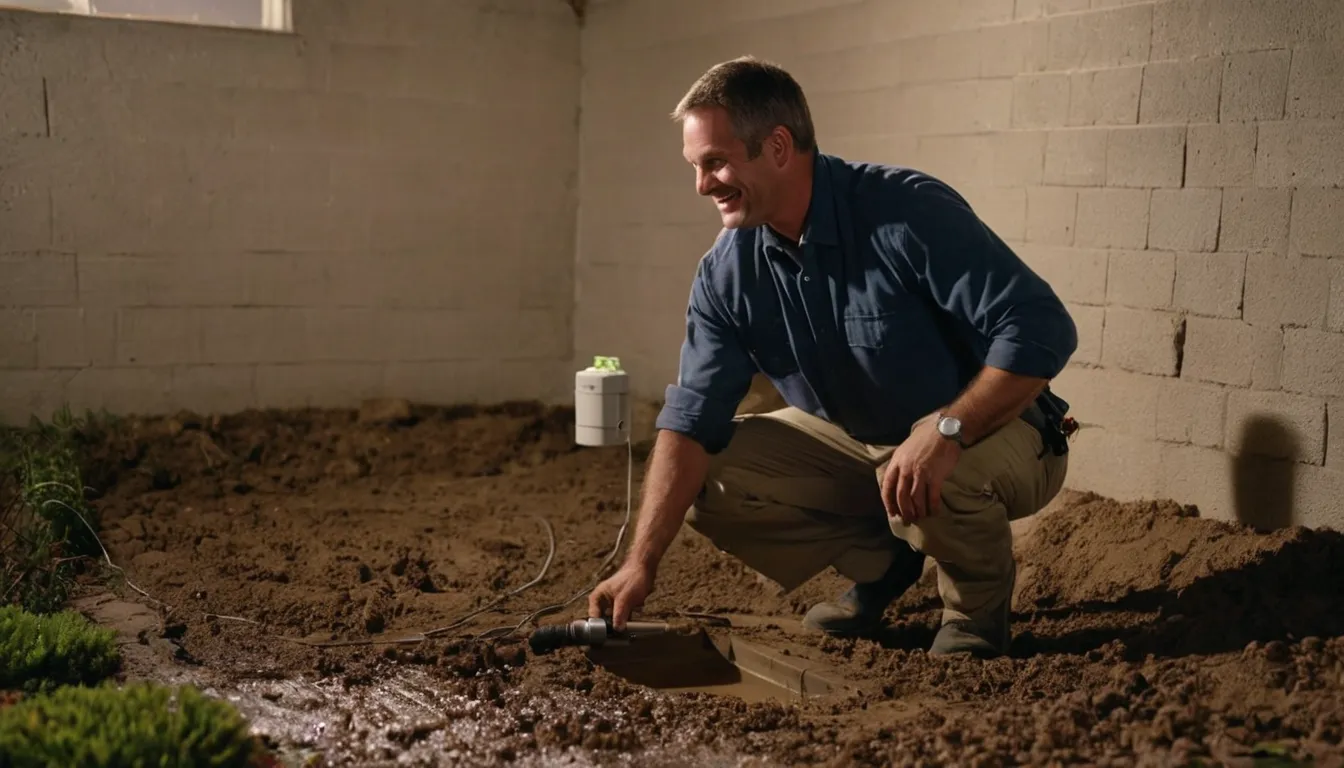
The provider treats the soil around the foundation. Termites that cross it are stopped. This often means trenching along the outside walls.
Bait Stations
Small stations go in the ground around the home. Termites carry the bait back to the colony. It works slowly, so expect weeks or months.
Wood Treatment
For wood that already holds termites, a provider may treat it directly. Large drywood problems sometimes call for whole-home tenting. Ask what is right for your house.
What a Visit Looks Like
The provider checks the outside, the crawl space or basement, and the attic. They look for tubes, damage and moisture. You should get a written report and a quote. Ask questions. A good provider explains the plan without rushing you.
Older Homes and Basements
Older homes often have full basements with stone or block foundations. Gaps and cracks give termites an easy path in. Freeze-thaw cycles and spring snowmelt can make these gaps wider and keep soil damp. Fix the entry point, not just the symptom. Ask the provider about drainage and wood-to-soil contact too.
Selling or Buying a Home
Many buyers and lenders ask for a termite inspection report. A clean report builds trust. A problem found early gives you time to treat it and keep a sale on track. If you are buying, a report helps you plan before you sign.
How to Choose a Provider
Compare more than price. Ask these questions:
- Is the provider licensed in your state?
- What method will they use, and why?
- Is the quote in writing?
- Is a repair warranty or yearly check offered, and what does it cover?
- Who handles follow-up visits?
Get more than one quote if you can. Request a callback to check which providers are available near you.
After the Treatment
Treatment is not the finish line. Keep firewood and wood scraps away from the house. Fix leaks and keep gutters clear. Do not pile mulch against the walls. Schedule follow-up checks as the provider advises. Damaged wood may need repair. Some policies may cover sudden damage, but many do not cover termites, so check your policy. Providers can often help document damage for a claim.
These steps protect the home and its value for years.
What's Included
Full Inspection
A provider checks the foundation, basement, crawl space and attic for tubes, damage and moisture.
Written Quote
You get the findings and the price on paper before any work begins.
Treatment Plan
Soil barrier, bait stations or direct wood treatment, matched to your home and termite type.
Follow-Up Checks
Many providers offer return visits to confirm the colony is gone and stays gone.
Typical Termite Treatment Costs
Prices vary by home size, termite type and method. These are typical U.S. ranges only. Always ask for a written quote before you agree to any work.
| Item | Typical range | Notes |
|---|---|---|
| Termite inspection | $75 – $300 | Some providers lower the fee if you hire them for treatment. |
| Liquid soil barrier | $1,200 – $3,500 | Depends on the length of the foundation. |
| Bait station system | $1,500 – $4,000 | Often includes monitoring for a time. |
| Spot treatment (drywood) | $250 – $1,000 | Works for small, local problems. |
| Whole-home tenting | $2,000 – $8,000 | For large drywood infestations. |
| Yearly monitoring plan | $200 – $500 | Covers repeat checks and some retreatment. |
How It Works
Spot the Signs
Note mud tubes, wings, hollow wood or sagging paint, and take a few photos.
Reach Out
Request a callback or use the request form to be matched with a provider.
Get Inspected
The provider checks the home and gives you findings and a written quote.
Choose and Treat
Pick a plan, schedule the work, then keep up the follow-up checks.
Why Call Laughedif Pest Control
Plain Answers, Clear Options
We explain each treatment in short, simple words so you know what you are choosing.
Local Providers
Independent providers in our network know the soil, the weather and the older homes in your area.
Protect Resale Value
Proper treatment and clear records help buyers and inspectors trust the home later.
No Pressure
Compare your options and ask questions. You decide when and if to move ahead.
Other Services

Need residential termite treatment in Sayreville?
Tell us what you found and where. Request a callback to check provider availability, or send a short request and ask for an estimate.
No obligationResidential Termite Treatment FAQ
How do I know if I have termites or just carpenter ants?
Termites leave mud tubes and have thick waists and straight antennae. Carpenter ants have thin waists and bent antennae, and they leave neat sawdust piles. A provider can confirm which one you have.
How long does termite treatment take?
A soil barrier is often finished in a day or two. Bait systems work over weeks or months. Your provider can give a timeline once they see the size of the problem and the home.
Does homeowners insurance cover termite damage?
Most policies do not cover termite damage, since it is seen as a maintenance issue. Some policies may cover sudden damage, so check yours. Providers can often help document damage for a claim.
Request a callback
Tell us what you found and where. Request a callback to check provider availability, or send a short request and ask for an estimate.
No obligation